Following intergovernmental talks in Wabag in July, Marape flagged the possible significance of Bougainville’s separation from PNG to be overshadowed by Covid-19. Marape described Bougainville’s trajectory towards independence as the biggest challenge facing PNG – bigger than the pandemic and the economy.
A long-held and well-publicised fear among the PNG political elite, including Governor General Sir Bob Dadae, is that an independent Bougainville could set a precedent for other provinces to also “break away” and threaten national unity. This also appears to be a fear held by Papua New Guineans in the broader population. For example, in a small, preliminary study involving 21 university students on Papua New Guinean responses to the Bougainville referendum, we were told of concerns that:
“… there’s the very real possibility it [Bougainville independence] will have rippling effects on the desire for autonomy from other of PNG’s resource rich provinces who feel they presently have the shorter end of the straw in terms of tangible development from money made from their resources. They no doubt are watching this with anticipation.”
While the dominant implication of an independent Bougainville for PNG is often portrayed in terms of economic losses from the region’s mineral, cocoa, copra and fishing resources, we have been interested to learn of concerns relating also to a potential “cultural loss” for PNG’s national identity. As the following quotes from our interviews illustrate:
“… you know they have that beautiful culture that makes PNG more colourful and more diverse. So, that’s one thing when they break away, we will lose some part of our culture.”
“… Bougainville is part of our culture and if they become a country of their own, we will lose a unique part of our cultural identity.”
“… As a Papua New Guinean, seeing Bougainville get independence, I really don’t like to see this. We’ve been living together more than 45 years.”
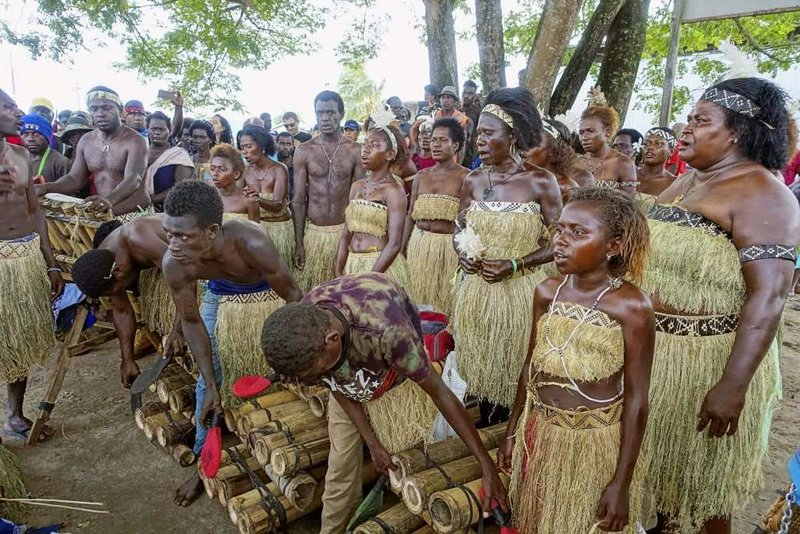
For outside observers, this might seem odd given the racial undertones of a conflict in which skin-colour was used as a marker of unity and difference. While the darker skin colour of Bougainvilleans means that those working and studying on the mainland can, on occasion, report feelings of marginalisation, their involvement in cultural events, particularly via the performance of bamboo drums, are widely recognised as a “crowd favourite”.
It is also common to see the flag of the Autonomous Region of Bougainville flying alongside provincial flags outside stores across PNG. While such gestures may seem minor or consumerist, they do seem to reflect a sense of pride that Papua New Guineans feel towards their extraordinary cultural diversity, including Bougainville.
The seriousness of the twin health and economic crisis currently being experienced in PNG (and elsewhere) cannot be underestimated. But it is crucial that in the midst of new emergencies, dialogue on resolving crises from the past and their implications for the future are not lost. Bougainville has convincingly stated its readiness for independence and the international community has a promised role to play in keeping it on the national agenda.
Kylie McKenna , Emelda Ariku