Subscribe to The Informer for monthly expert analysis, and to Events for advance notice of visiting world leaders and distinguished guests.
You may unsubscribe from Lowy Institute newsletters at any time. For information on our privacy practices and how to unsubscribe, see our Privacy Policy.

The most-pressing world events explained by Lowy Institute experts and global contributors, in your inbox, every Wednesday.
You may unsubscribe from The Interpreter at any time. For information on our privacy practices and how to unsubscribe, see our Privacy Policy.
About the author
Greg Earl
Greg Earl was the deputy editor, opinion editor, national affairs editor and Asia Pacific editor of The Australian Financial Review.

When I lived in Japan I was fascinated by the way internet tycoon Masayoshi Son broke through the bamboo ceiling that limits the citizenship rights of ethnic Koreans despite their residence in Japan for generations. And I always took visitors to a pachinko (gambling) parlour if for nothing else than the amazing aural experience. But I still didn’t understand this nether world.
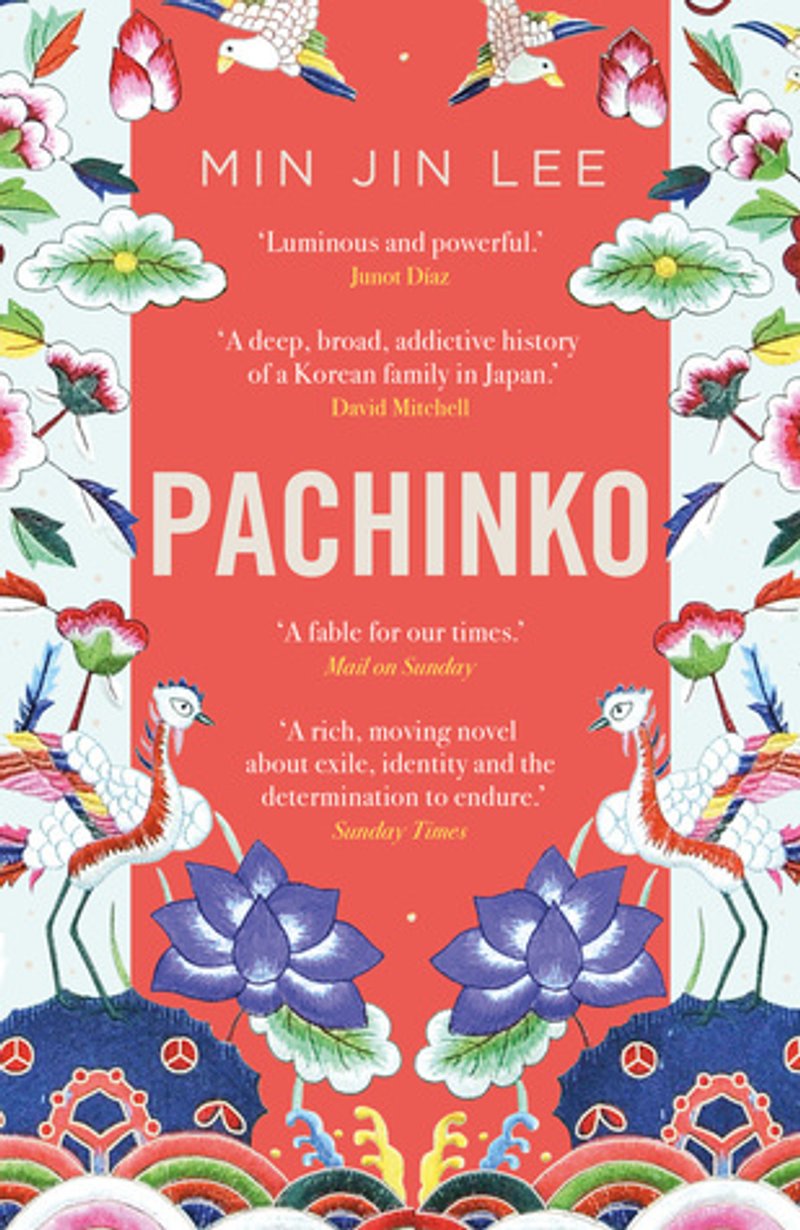
It has taken Korean-American writer Min Jin Lee since 1989 to produce her epic novel, Pachinko (published by Apollo), following a Korean family’s journey from Japanese colonisation in 1911 to life in Son’s time via the pachinko parlours that have traditionally sustained the resident Koreans. But it has certainly been worth the wait and these themes are now even relevant to managing the North Korean nuclear threat. As her unlikely survivor laments:
This country isn’t going to change. Koreans like me can’t leave. Where we gonna go? But the Koreans back home aren’t changing, either. In Seoul people like me get called Japanese bastards, and in Japan, I’m just another dirty Korean no matter how much money I make or how nice I am. So what the f---. All those people who went back to the North are starving to death.
Even if you are not intrigued by the inner life of these notionally mono-cultural but remarkably economically successful north Asian societies, don’t be put off this intimate but expansive story. As Lee begins: ‘History has failed us, but no matter.’
Greg Earl