A sense of economic deprivation and political exploitation by West Pakistan was strong among Bengalis and reached a tipping point when in 1970 the Awami League was denied the chance to form government despite winning most seats in the national election. An indiscriminate attack by Pakistani soldiers against civilians on 25 March 1971 triggered armed resistance.
With India’s active diplomatic, political and military backing, Pakistan lost the fighting to Bengali Muktijoddhas, or freedom fighters. Known as the 1971 India-Pakistan War in Pakistan, in Bangladesh the conflict is called the War of Independence. But the lingering dispute is far more than nomenclature. Pakistan has never apologised for mass atrocities against Bengalis and this history remains contentious.
When the Awami League returned to power in 2008, the bilateral relationship soured. In 2013, when Pakistan criticised Bangladesh’s war crimes trial where leaders of Bangladeshi Islamists were convicted for collaborating with Pakistani soldiers carrying out war crimes, the relationship between the two countries hit rock bottom.
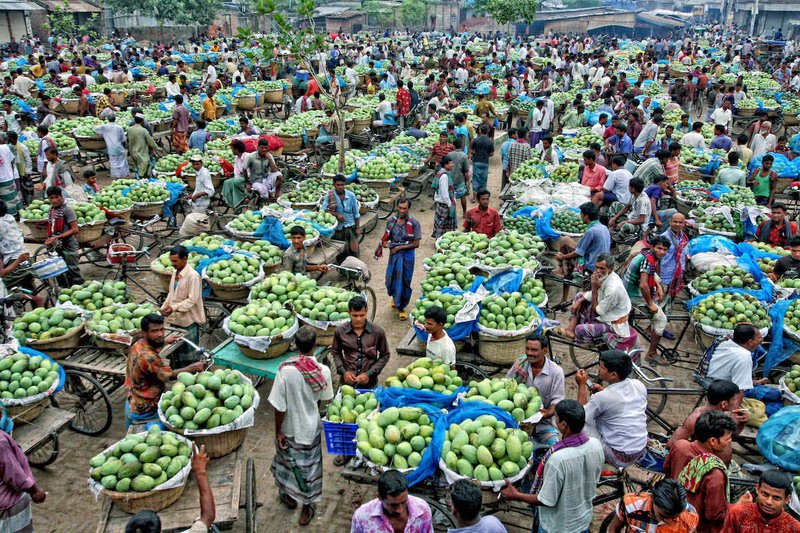
So the gesture of sending mangoes to Pakistan is a significant one. It indicates that despite differences, Bangladesh is willing to steer the relationship towards a friendlier path.
And the story has a larger dimension. The outreach is also a product of Bangladesh’s efforts to maintain its balancing act against the backdrop of the geopolitical contest for the Indo-Pacific. China obviously features here, but first consider a more discrete example – that of Afghanistan.
The withdrawal of US soldiers from Afghanistan has far-reaching implications. For Bangladesh, many Islamists in the country are sympathisers with the Taliban, but also anti-Indian. Given Pakistan’s special relationship with the Taliban, there is an incentive for Dhaka to seek more fruitful ties with Pakistan, if it is to help keep an eye on the transnational links to its own Islamist challenge.
Considering that the Awami League has historically had a focus on India in its foreign policy, the outreach to Pakistan cannot be separated from the simultaneous initiative with India. While Pakistan’s relationship with India has been tense since India’s revocation of Jammu and Kashmir’s special status in 2019 and fighting in the region, Bangladesh also faces challenges in terms of its India relationship due to the water dispute and India’s citizenship act, among other issues.
The backdrop to all this is China’s rising influence in South Asia, including in Bangladesh. As China has expanded its partnerships with Bangladesh and Pakistan under the Belt and Road Initiative, it is quite possible that this will help normalise ties between Dhaka and Islamabad. China’s ties with Pakistan are also emerging as a counterpoint to India relations with the United States.
Could the fruit spoil? There are certainly many reasons that it could. But to strain the metaphor, it appears Bangladesh has judged this a ripe moment for a fresh harvest.
Mubashar Hasan , Zahid Shahab Ahmed