Subscribe to The Informer for monthly expert analysis, and to Events for advance notice of visiting world leaders and distinguished guests.
You may unsubscribe from Lowy Institute newsletters at any time. For information on our privacy practices and how to unsubscribe, see our Privacy Policy.

The most-pressing world events explained by Lowy Institute experts and global contributors, in your inbox, every Wednesday.
You may unsubscribe from The Interpreter at any time. For information on our privacy practices and how to unsubscribe, see our Privacy Policy.
Australia, explained.
About the author
Erwin Jackson
Erwin is Deputy CEO of The Climate Institute.
The latest round of negotiations for the UN's Framework Convention on Climate Change closed in Bonn last Friday with mixed results. With ten formal negotiating days left until crucial climate negotiations resume in Paris later this year, the clock is ticking.

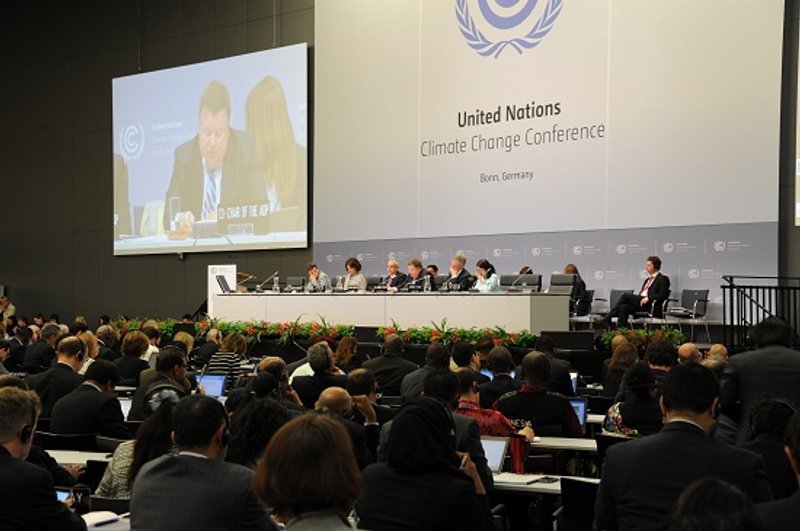
Bonn Climate Change Conference, 1 June 2015 (UNclimatechange/Flickr)
In Paris, countries will be seeking to agree to the next evolution of the international climate change framework, a framework that facilitates and focuses domestic action towards the agreed goal of limiting global warming to less than 2°C above pre-industrial levels. For it to be successful, it will need to be bankable for investors, accountable and transparent for all nations and fair to vulnerable countries
Last week in Bonn, countries got down to work in streamlining an expansive draft agreement. They began to define what elements need to be in the core legal outcome in Paris and what can be agreed through supporting implementation decisions.
Hours of difficult work on refining the agreement has led to some progress, and at the next meeting in August countries will have a more streamlined draft. This is good news, but some of the core political issues – such as the framework for future emissions reductions and how to support adaptation to unavoidable climate change impacts – are moving more slowly. Key elements of the new framework, like how to ensure the regular ratcheting up of action, have been discussed in depth but still require much more work before a clearer outcome is defined. [fold]
The G7 announcement of early last week on the need to decarbonise the global economy and transform energy systems did ripple into the meeting. But the pace of negotiations is not adequately reflecting the growing economic, investor and political momentum to modernise the global economy. Over the next few months this momentum will accentuate the need for stronger guidance from national capitals to unblock some of the core political obstructions so that Paris delivers the most successful outcome possible.
Core areas where more political leadership is required include:
Bonn made progress but more is needed. Greater political guidance can ensure that, in the ten negotiating days left before nations reconvene in Paris, we get the most bankable, accountable and fair outcome in December as possible.
Erwin Jackson