Subscribe to The Informer for monthly expert analysis, and to Events for advance notice of visiting world leaders and distinguished guests.
You may unsubscribe from Lowy Institute newsletters at any time. For information on our privacy practices and how to unsubscribe, see our Privacy Policy.
Subscribe to
The most-pressing world events explained by Lowy Institute experts and global contributors, in your inbox, every Thursday.
You may unsubscribe from The Interpreter at any time. For information on our privacy practices and how to unsubscribe, see our Privacy Policy.
What to do after the Taliban take-over | Lowy Institute
I am not an emotionally detached observer of Afghanistan. The country was once my second home, and I still have friends and colleagues there. Frankly, I am gutted – it is hard to erase the kind of images that emerged from Kabul airport on Monday. Nor should we, this is what desperation looks like.
I also don’t want to feed into some of the alarmist language that has proliferated in recent days, which is unhelpful for Afghans stuck inside their country. The role of outsiders should be to reassure and find ways to support, especially in times when many Afghans rightfully feel a sense of despair and anger at being deserted by international and national elites alike.
But in this moment we are left with questions.
What to believe? News coming out of Afghanistan is overwhelming and contradictory – but the latter is not new. Afghanistan has long been a country of contradictions. The situation is also changing so quickly. So, in addition to some of the standard news outlets, I can only encourage readers to also follow measured eyewitness accounts and analysis from reporters such as and , local news service , the or academics and analysts such as and , to name just a few.
With this much uncertainty, international actors have a moral obligation to act, and act fast.
How could this happen? We are awashwithanalysis offering reasons why. A propped up state with limited local legitimacy, self-interested and corrupt elites that did not pay the army, an increasingly isolationist and polarising president, and a poorly negotiated exit by the United States. Researcher Ibraheem Bahiss summed up why the rest of the world could not lift its head out of the collective, perhaps Covid-induced, fog: “We caused all this not because the signs weren’t there. But because we were caught in our own hubris and imagination.”
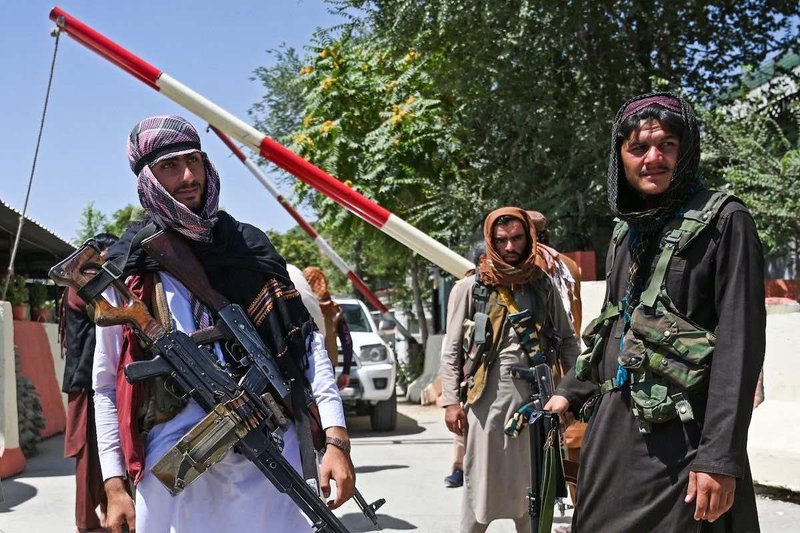
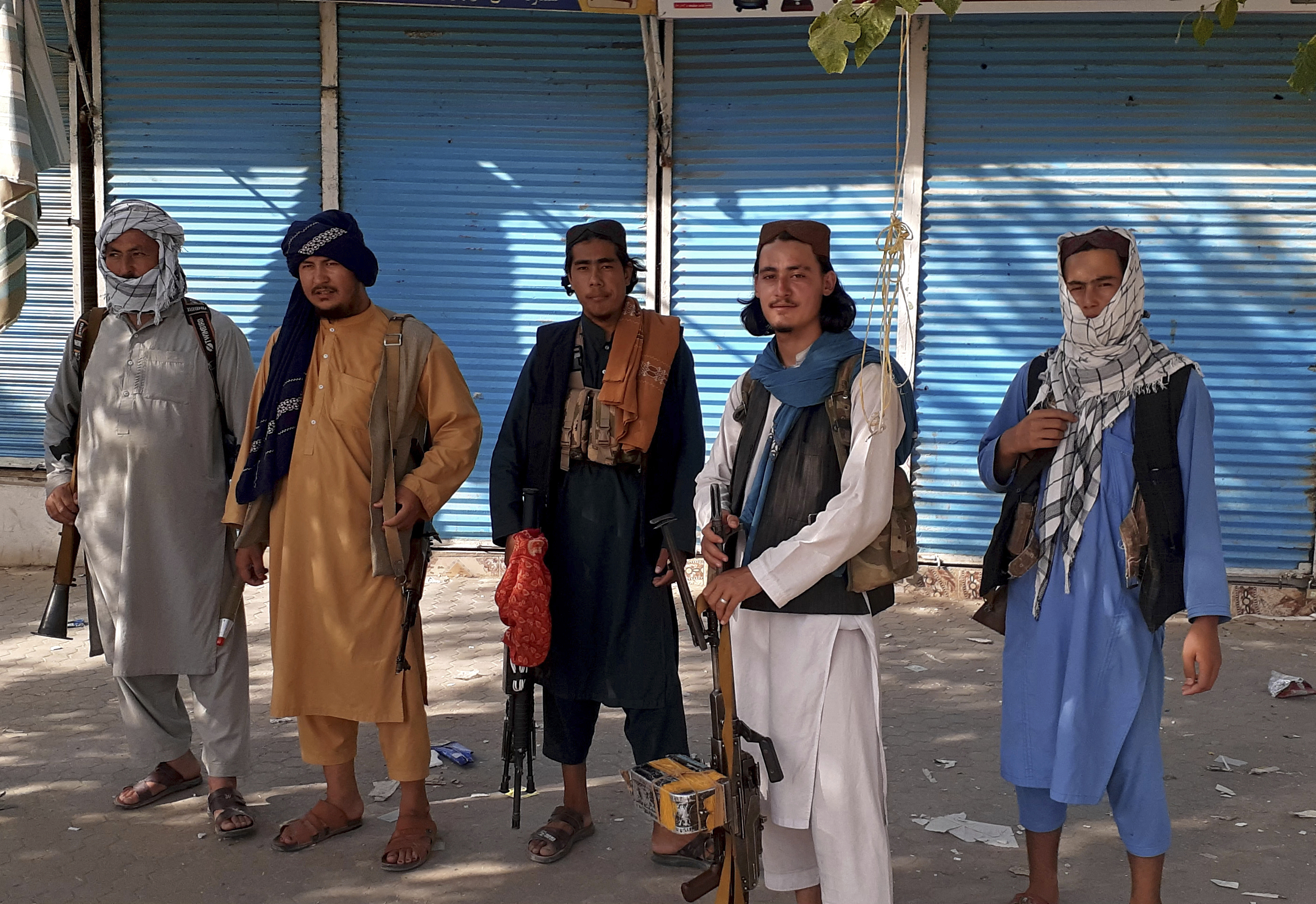
Has the Taliban changed? Too soon to tell. The new Taliban is using media in a fashion like never before, taking selfies, allowing themselves to be photographed, some with short or even no beards – I saw a picture of a Taliban in Kunduz that was a dead ringer for a young Orlando Bloom.
There are the positive signals that the Taliban is looking to restore order (pictures of traffic police, for example), and some describe them as “polite”, promising to guard media compounds and trying to restore calm. Officially the Taliban repeatedly speak of a desire for a “peaceful transfer of power”, and indeed the takeover of Kabul and other areas was without violence, often negotiated by local elders. There is some evidence that the Taliban are already drawing on existing government officials to continue service delivery, such as providing health care, including by female health care workers.
Taliban fighters stand guard along a roadside near the Zanbaq Square in Kabul on 16 August (Wakil Kohsar/AFP via Getty Images)
But “there are mixed reports from the provinces and cities”, such as forced marriages and gender-based violence, and others describe Dr Jekyll and Mr Hyde. “Taliban talk nice during the day and disappear people at night,” as one person reportedly put it. There are stories of house-to-house searches, Taliban looking for government officials and those who worked for the United States, journalists, women activists, international NGO workers, confiscating weapons and making lists.
There are stories being shared of Taliban giving amnesty (pardon), but also beating and killing people. There are accounts of targeted (revenge?) killings, other claims of criminal gangs taking advantage of the void. Still more reports speak of bakeries selling bread (some say because the Taliban told them so), with shops open and people going about their business.
The Taliban has not yet made clear what their policies will be, not expecting to have so quickly gained full control of the country. The speed of the take-over was aided by an army no longer sure who they were fighting for or who had their backs, and elders trying to avoid further bloodshed in their communities, seeing surrender as a way to buy time. Thus, the Taliban are likely still figuring out how to govern.
What to do? With this much uncertainty, international actors have a moral obligation to act, and act fast.
To keep borders open for claims of asylum, following the call by UN Secretary General António Guterres to halt all deportations. French President Macron noted France must “protect itself” but this should not be about protecting borders, it’s about protecting vulnerable people. This means countries, including Australia, should follow Canada to increase their humanitarian uptake of Afghan refugees (as they did as Syria’s civil war unfolded).
Isolating the Taliban is only going to make things worse. As the Taliban has not yet made their policies clear, there is a space to engage with them, and ensure that they build a more inclusive government. TOLO news’ Saad Mohseni that the Taliban’s desire for international legitimacy should be leveraged. As in Syria, China and Russia are to step into the void.
Heather Barr from Human Rights Watch said it best: “We have to keep saying to donors like the UK – this is a humanitarian crisis you helped create. You own it.”
Susanne Schmeidl (Fulbright Scholar and PhD in Political Sociology) is an honorary academic at the University of NSW, independent researcher and sits on the boards of Peacifica and the Research for Development Impact (RDI) Network .
A Taliban take-over does not guarantee peace, as communities are fragmented and militarised. There is inter-generational trauma, and the need to deal with the past. So, continued peacebuilding is crucial, especially at the local level.