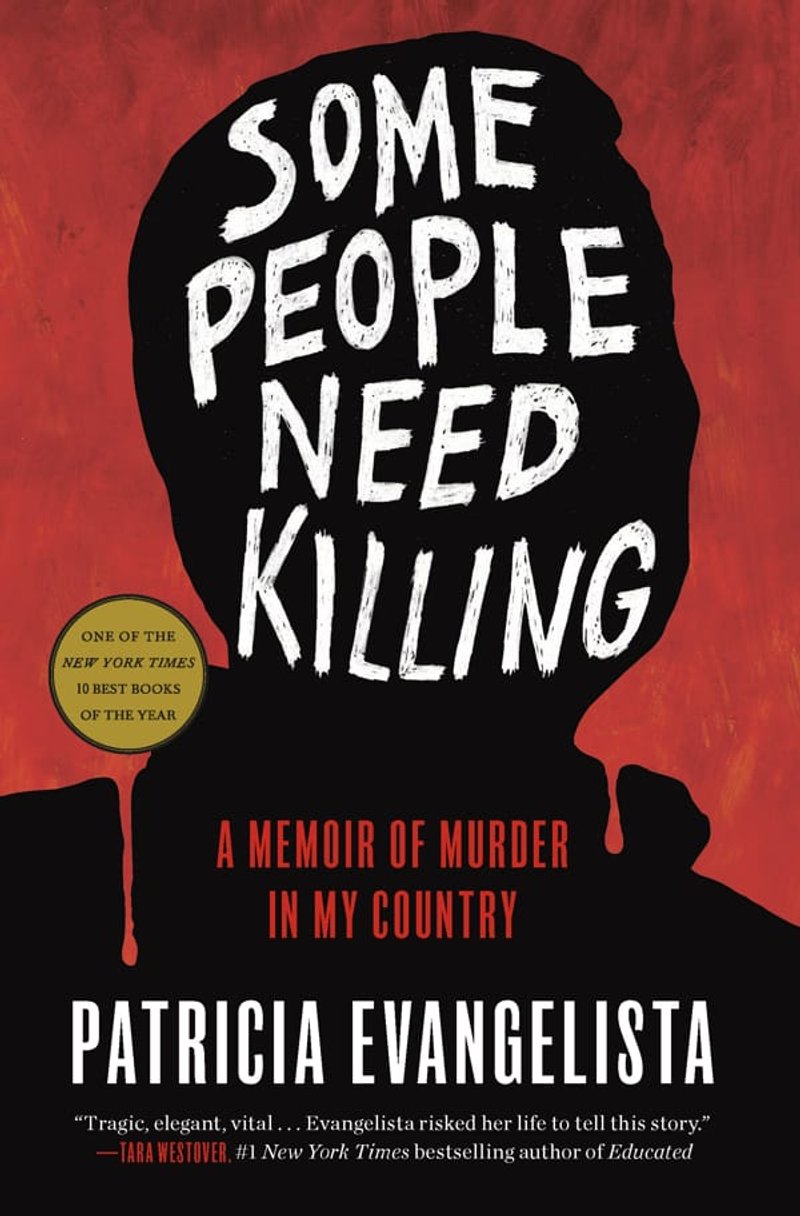
Set in the sprawling slums of Manila, and soulfully chronicling the tragic lives and brutal deaths of young Filipinos murdered under Duterte’s scorched-earth campaign, the book seamlessly weaves reportage, personal memoirs, and social analysis. As a work of journalism, it’s almost unparalleled. As New Yorker’s David Remnick correctly points out, it’s a “journalistic masterpiece”. No journalist, whether Filipino or foreigner, has deployed such peerless combination of descriptive precision, investigative reportage, and gripping prose to expose the unfathomable terror and inanity of Duterte’s drug war, which only empowered the worst elements in the Philippines’ deeply corrupt law enforcement agencies.
As a memoir, the book reflects the author’s literary sophistication and refreshing honesty, including a revealing foray into her family history. Even more, she displays a degree of courage, compassion and vulnerability, which tend to defy her image as a swashbuckling journalist and a vivacious interlocutor.
As a socio-political commentary, however, the book suffers a tendency to place semantics over substance despite occasional reference to prominent scholars. There is no mention of any relevant thinker or theory, which may sufficiently explain why democracies can quickly turn into a fascist dystopia (Think of Michael Mann’s classic The Dark Side of Democracy).
More puzzling, the book reads as if no single book or authoritative study has been written on politics and policies of the Philippines’ most controversial and consequential president. Aside from dozens of high-impact journal articles, which methodically explain the structural preconditions of the rise of Duterte’s deadly populism, several world-class scholars have written full-length manuscripts, most notably Adele Webb’s Chasing Freedom and Vicente Rafael’s The Sovereign Trickster.
To be fair, Evangelista admitted in an interview that in many ways the book remains an unfinished project. Given the depth of the tragedy she personally witnessed and courageously chronicled, and the long-term deep trauma on countless Filipino families and communities, Some People Need Killing is likely just the beginning of a whole new literature on one of the darkest episodes in Philippine history.