Subscribe to The Informer for monthly expert analysis, and to Events for advance notice of visiting world leaders and distinguished guests.
You may unsubscribe from Lowy Institute newsletters at any time. For information on our privacy practices and how to unsubscribe, see our Privacy Policy.

The most-pressing world events explained by Lowy Institute experts and global contributors, in your inbox, every Wednesday.
You may unsubscribe from The Interpreter at any time. For information on our privacy practices and how to unsubscribe, see our Privacy Policy.
China, explained.

The US security establishment appeared fixated on the year 2027 as the deadline set by Xi Jinping to compel Taiwan with military force (Li Gang/Xinhua via Getty Images)
Be prepared to be surprised.
About the author
John Culver
John Culver is a retired Senior Intelligence Officer with 35-years’ experience as a leading CIA analyst of East Asian affairs, including security, economic and foreign policy dimensions.
Topics
For several years, the US security establishment appeared fixated on the year 2027 as the deadline set by Xi Jinping to compel Taiwan with military force. First raised by then-INDOPACOM commander Admiral Phil Davidson in a 2021 congressional hearing, it was promptly dubbed “The Davidson Window”.
Senior US official statements more recently frame it as Xi seizing on 2027, the 100th anniversary of the PLA’s founding, to complete the material preparation required to make major combat operations possible, not an “invasion deadline”. For Xi, 2027 will also mark the 21st Party Congress, when he probably will secure his unprecedented fourth term as leader of the party, military, and government. The year will also end just as Taiwan’s next presidential election season is entering the home stretch before polling the following January.
While the 2027 drumbeat by senior US officials has faded, revelations in recent months of surprising and troubling advances in the modernisation of the People’s Liberation Army (PLA) since 2021 compel an assessment of expectations for the next two years before the once fateful “window” opens.
The PLA conducts periodic air, naval, and missile drills to demonstrate its displeasure, but it has so far not conducted a realistic exercise that incorporates all the forces that would be involved in a major amphibious or blockade campaign.
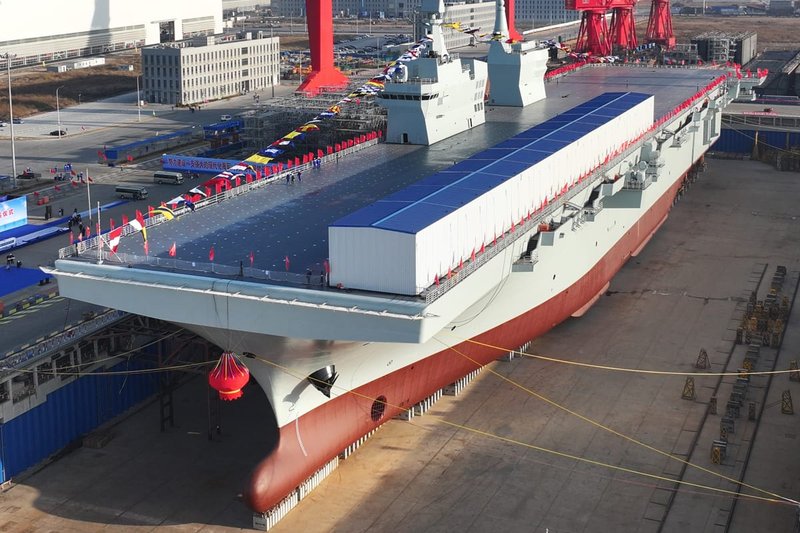
We should be prepared to be surprised by new equipment revealed by the PLA in the next 24 months, which will straddle the last year of the 14th Five-Year Plan (FYP) and the first year of the 15th FYP.

What major milestones must the PLA check off to satisfy Xi, their tough task master, that it has fulfilled the physical requirements to be capable of “resolving the Taiwan issue by force”, if ordered?
As these or other surprises materialise, they will blur the line between demonstrating proficiency and preparations for actual combat, at a time when US-China and cross-Strait relations seem poised for exceptionally stormy sailing.